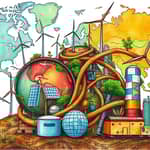
Across the globe, communities and ecosystems face mounting pressures—from deforestation and water scarcity to escalating climate risks. Nature-based solutions harness natural processes to address these challenges, offering a pathway toward resilient, thriving landscapes and societies.
At its core, a nature-based solution (NbS) is an action to protect, sustainably manage, and restore ecosystems in ways that meet societal needs and bolster biodiversity. Unlike simple resource-cutting measures, NbS actively engage nature’s own functions—such as carbon capture, water filtration, and habitat provision—to tackle real-world problems.
The NbS framework rests on three pillars:
By framing restoration around human priorities, NbS unlock broader support—from governments, corporations, and local communities—and mobilize creative partnerships.
Although often used interchangeably, ecosystem restoration and NbS diverge in focus. Restoration traditionally centers on recovering degraded lands or conserving intact habitats. Its success is measured by ecological metrics: species diversity, soil health, and vegetation cover.
NbS, however, begin with society’s needs. Whether reducing flood risk or cooling urban centers, projects are designed for measurable human and environmental gains. This shift encourages investment from private sector actors and opens new funding streams.
Dubbed “super solutions,” NbS represent the cheapest and most scalable climate interventions. Research suggests they could provide nearly one-third of the carbon mitigation required to meet the Paris Agreement targets.
In Mumbai, a 3.2-acre urban forest lowered temperatures by up to 3°C, demonstrating how nature can reshape city climates. Meanwhile, wetland restoration absorbs floodwaters, protecting lives and infrastructure.
Beyond their primary objectives, NbS deliver an array of co-benefits that enhance human well-being and ecosystem health. A single reforestation initiative can:
Other services include pollination for crops, nutrient cycling in soils, and spaces for outdoor recreation—fostering physical and mental health.
Around the world, innovative NbS projects showcase transformative impacts:
These examples reflect how NbS blend ecological restoration with societal gains, turning local efforts into large-scale movements.
Successful NbS require careful planning, multi-stakeholder collaboration, and robust monitoring. The IUCN global standard outlines eight criteria—from enhancing biodiversity to ensuring adaptive management—offering a clear roadmap for practitioners and investors alike.
Financially, NbS can tap into diverse capital sources: public funding, corporate sustainability budgets, and even crowdfunding campaigns. For businesses, investing in NbS strengthens supply chain resilience, enhances brand reputation, and advances net-zero commitments.
By design, NbS spur job creation in restoration, forestry, and eco-tourism. They reinforce local economies while fostering healthier, more resilient communities. In rural regions, sustainable forestry and agroforestry models generate steady incomes and preserve cultural landscapes.
Urban NbS—green roofs, parks, and wetlands—redefine cityscapes, offering residents restorative spaces and reducing public health costs. Every planted tree becomes a living investment in community well-being.
As climate challenges intensify, the case for nature-based solutions has never been stronger. By aligning ecological restoration with human needs, we unlock powerful synergies that protect the planet and empower people.
Whether you’re a policymaker, investor, or community leader, champion NbS in your sphere. Support local restoration initiatives, advocate for green infrastructure, and encourage corporate partners to adopt nature-positive strategies.
Together, we can transform landscapes, economies, and lives. Nature has always provided for us—now it’s time to return the favor by restoring and safeguarding the natural systems that sustain our future.
References